
Overview of Industrial Park Wastewater Treatment Services
Industrial parks accommodate a wide range of manufacturing sectors, including mechanical engineering, food processing, textiles, electronics, chemicals, plastics, wood processing and component manufacturing. These activities generate significant volumes of wastewater containing complex pollutants that must be treated before discharge into the environment.
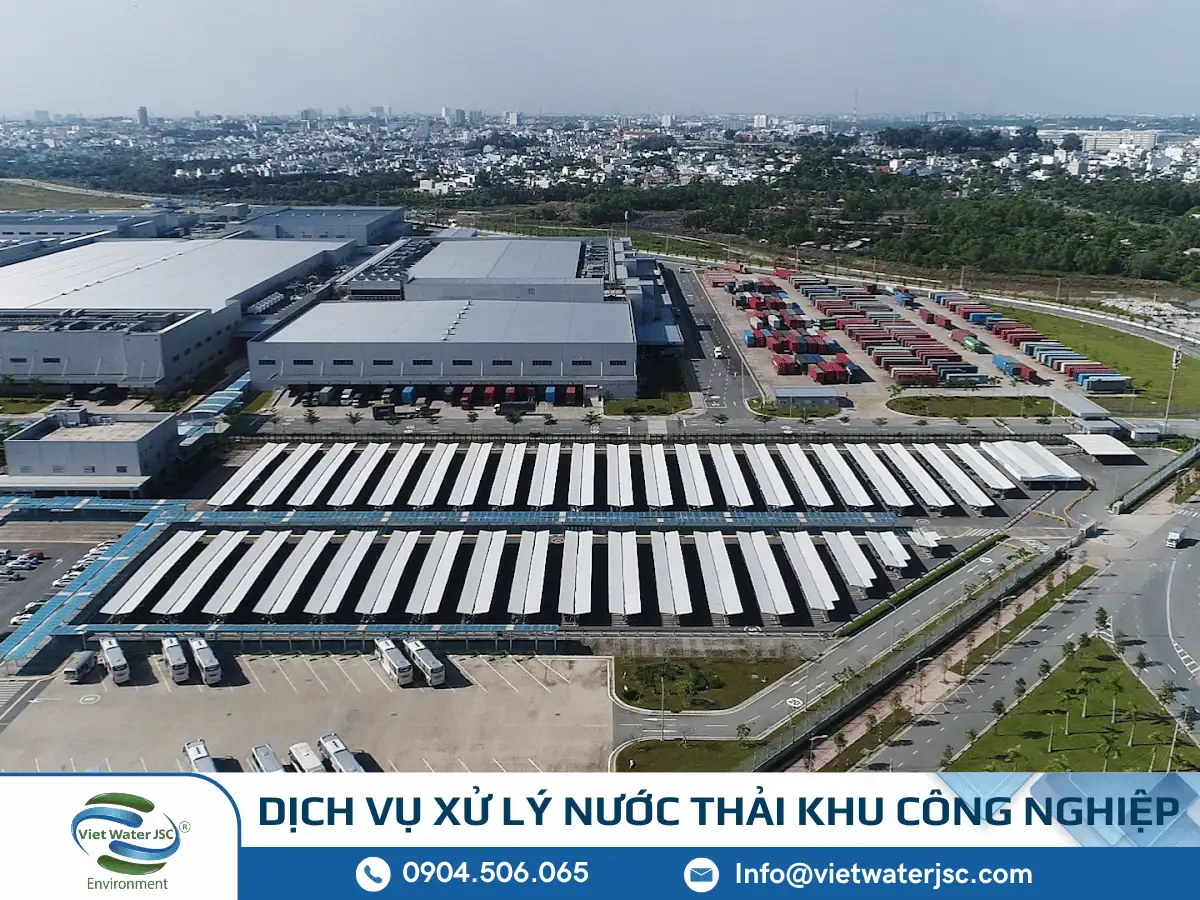
Investing in an industrial park wastewater treatment system is not only a legal requirement but also an essential step toward sustainable development, environmental protection and corporate responsibility.
VIET WATER JOINT STOCK COMPANY (VIET WATER JSC) provides professional consulting, design, construction, operation and upgrading services for industrial park wastewater treatment systems using advanced technologies that comply with current environmental regulations and standards.
Characteristics of Industrial Park Wastewater
Industrial park wastewater is typically a combination of wastewater streams from various manufacturing activities, resulting in highly variable and complex characteristics.
High Organic Content
Wastewater from industries such as:
- Food processing
- Seafood processing
- Livestock production
- Textile manufacturing
often contains elevated BOD and COD concentrations.
Heavy Metal Contamination
Certain industrial processes may generate wastewater containing:
- Chromium (Cr)
- Copper (Cu)
- Zinc (Zn)
- Nickel (Ni)
- Lead (Pb)
High Suspended Solids Content
Including:
- Sludge
- Sediments
- Industrial particulates
- Inorganic solids
Oils, Grease and Chemicals
Commonly found in:
- Mechanical workshops
- Metal finishing facilities
- Painting operations
- Chemical manufacturing plants
Pathogenic Microorganisms
Particularly from domestic wastewater generated within industrial parks.
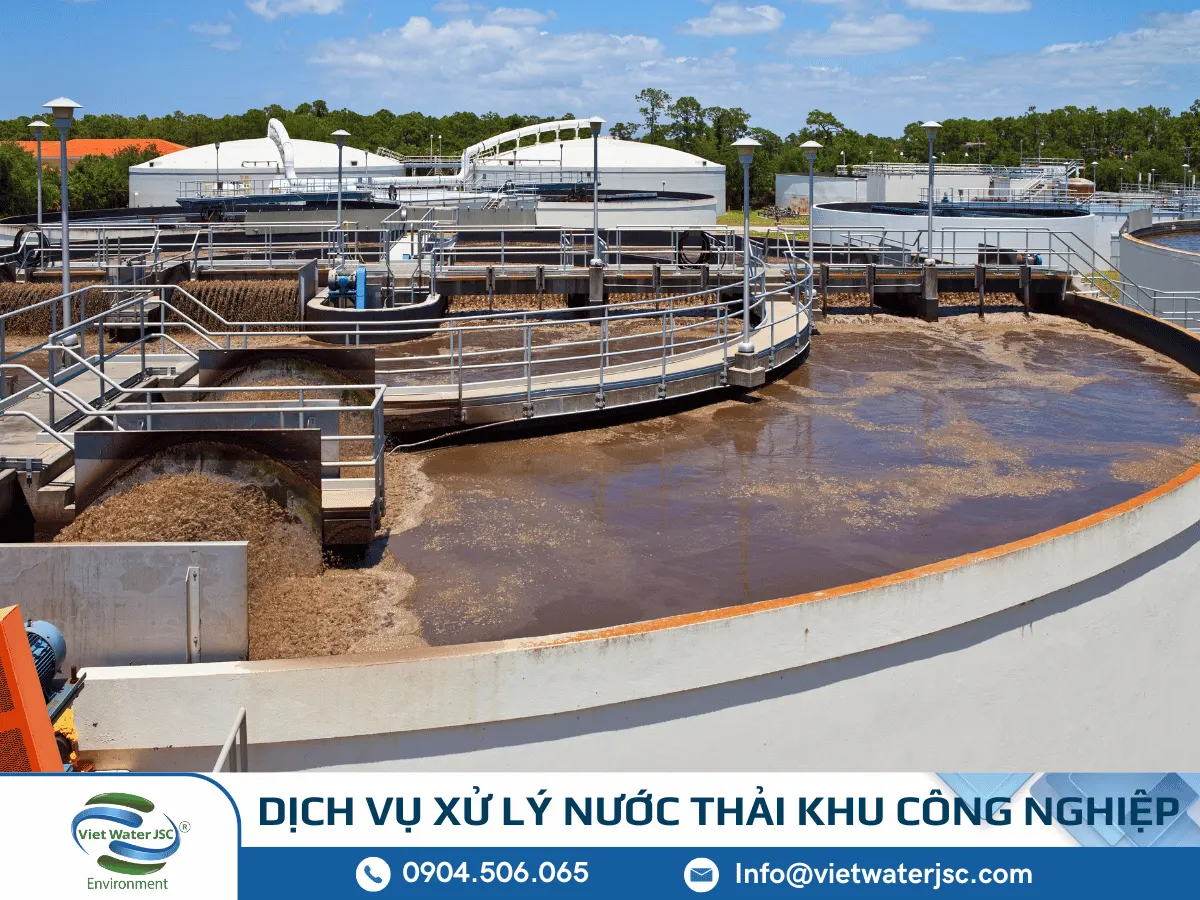
Importance of Industrial Park Wastewater Treatment Systems
Environmental Protection
Preventing contamination of:
- Surface water
- Groundwater
- Soil resources
- Natural ecosystems
Regulatory Compliance
Meeting national environmental regulations and industrial wastewater discharge standards.
Risk Reduction
Helping businesses avoid:
- Administrative penalties
- Operational suspension
- Environmental compliance violations
Corporate Image Enhancement
Demonstrating commitment to environmental sustainability and social responsibility.

Basic Components of an Industrial Park Wastewater Treatment System
Collection Pit
Receives and collects wastewater from multiple industrial facilities.
Equalization Tank
Functions include:
- Flow balancing
- Pollutant concentration stabilization
- Prevention of hydraulic shock loads
Coagulation-Flocculation Tank
Removes:
- Suspended solids
- Heavy metals
- Color and turbidity
Sedimentation Tank
Separates flocculated particles and sludge from wastewater.
Biological Treatment System
Utilizes advanced technologies such as:
- Aerotank
- MBBR
- SBR
- AAO
- MBR
to remove organic pollutants and nutrients.
Disinfection Tank
Uses:
- Chlorine
- Ozone
- UV systems
to eliminate harmful microorganisms before discharge.
Sludge Treatment System
Collects and manages sludge generated throughout the treatment process.
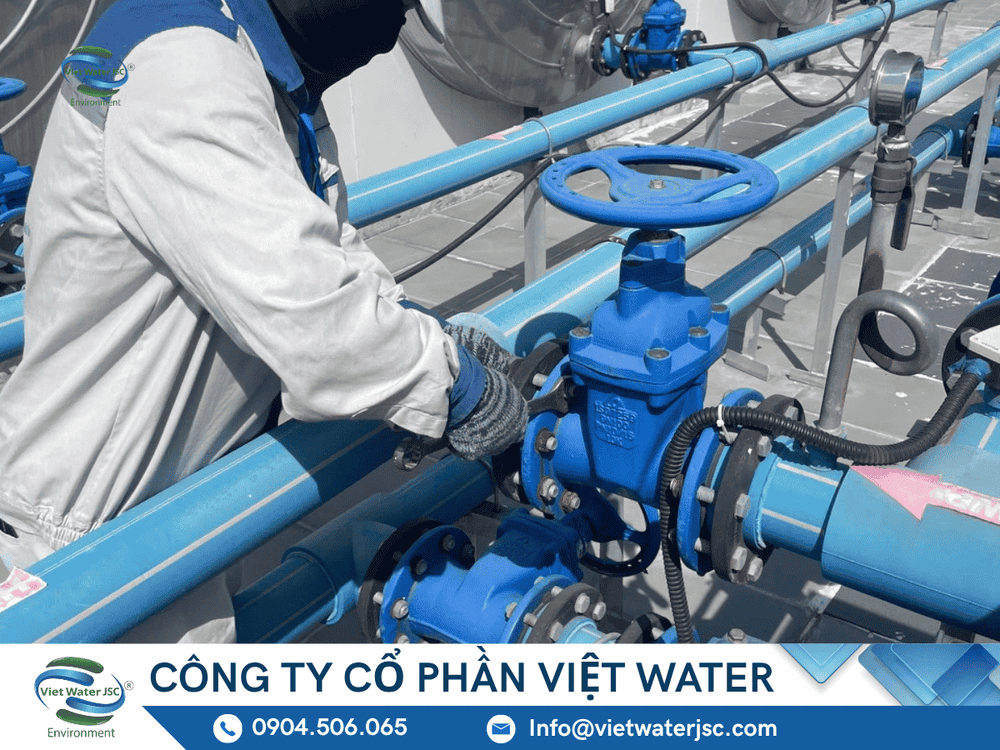
Industrial Park Wastewater Treatment Process
Preliminary Treatment
Wastewater passes through:
- Bar screens
- Basket screens
- Oil and grease separators
to remove large debris and floating materials.
Physicochemical Treatment
Specialized chemicals are applied to:
- Adjust pH
- Coagulate contaminants
- Form flocs
- Precipitate heavy metals
Biological Treatment
Microorganisms biologically degrade dissolved organic pollutants.
AAO Technology
Effectively removes:
- BOD
- COD
- Nitrogen
- Phosphorus
MBBR Technology
Utilizes moving biofilm carriers to increase microbial growth and treatment efficiency.
SBR Technology
Batch treatment process offering high efficiency and reduced footprint.
MBR Technology
Combines biological treatment and membrane filtration to produce superior effluent quality.
Disinfection Stage
Ensures complete removal of harmful pathogens before wastewater discharge.
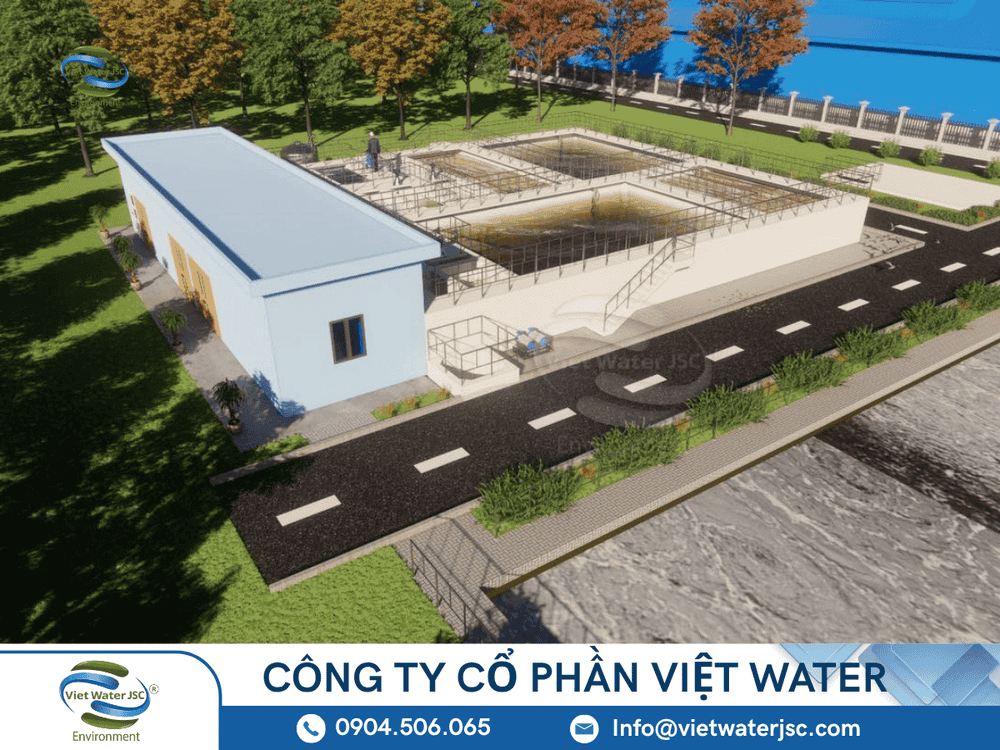
Wastewater Treatment Technologies Applied by Viet Water
Physicochemical Technologies
- Coagulation and Flocculation
- Dissolved Air Flotation (DAF)
- pH Neutralization
- Heavy Metal Precipitation
Biological Technologies
- Aerotank
- AAO
- SBR
- MBBR
- MBR
Membrane Technologies
- UF (Ultrafiltration)
- RO (Reverse Osmosis)
Water Reuse Technologies
Treated wastewater can be reused for:
- Landscape irrigation
- Cooling systems
- Equipment washing
- Industrial applications
Industrial Park Wastewater Treatment Services by Viet Water
Consulting and Engineering Design
- Site investigation
- Wastewater sampling and analysis
- Technology evaluation
- System design optimization
Construction and Installation
- Civil construction works
- Equipment fabrication and installation
- Electrical and automation systems
Operation and Maintenance
- Operator training
- Performance monitoring
- Preventive maintenance
System Upgrading and Expansion
- Capacity increase
- Technology modernization
- Operating cost optimization
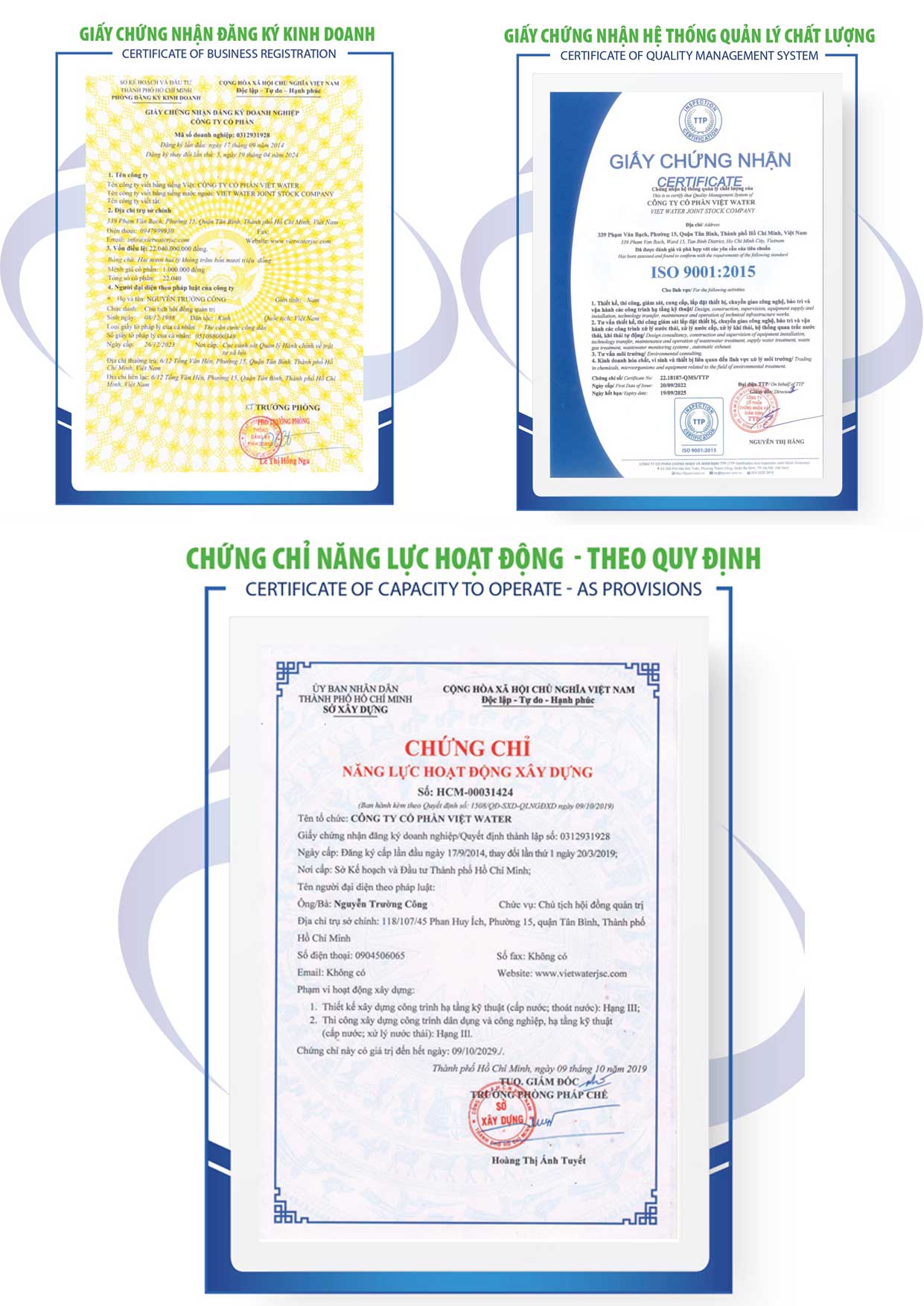
Why Choose Viet Water?
Extensive Industry Experience
Successfully implementing numerous industrial wastewater treatment projects nationwide.
Highly Qualified Engineering Team
Specializing in:
- Wastewater treatment
- Water treatment systems
- Air pollution control systems
- Environmental compliance services
Advanced Treatment Technologies
Including:
- MBR
- MBBR
- SBR
- UF
- RO
Turnkey Service Solutions
Providing complete services from:
- Consulting
- Design
- Construction
- Operation
- Maintenance
- Technology Transfer
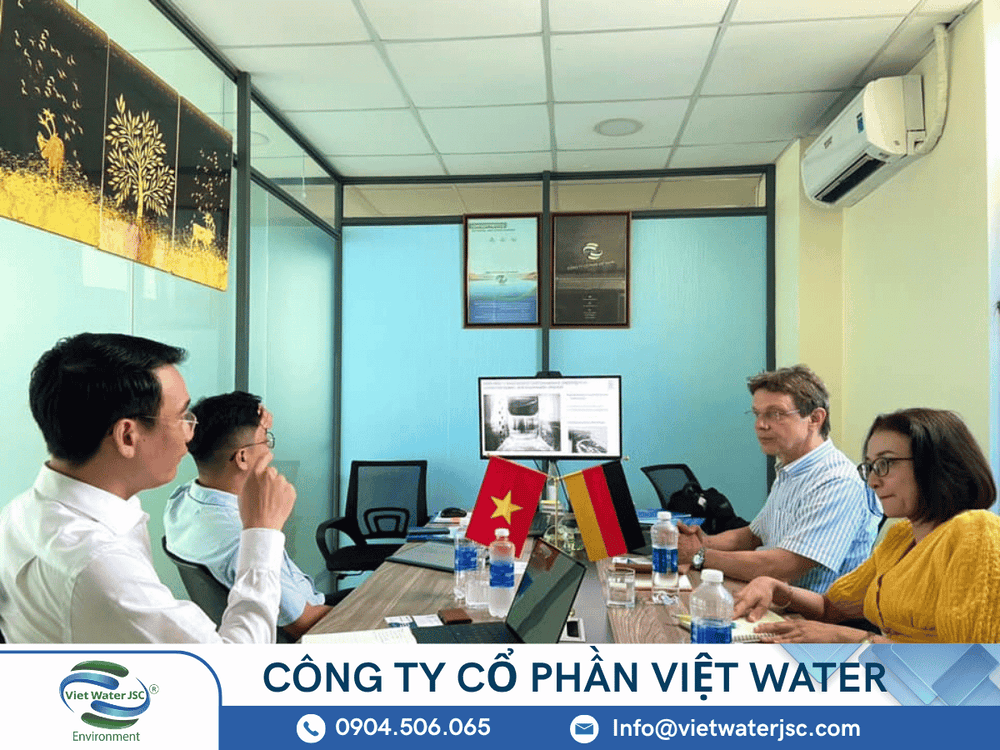
Contact Information
VIET WATER JOINT STOCK COMPANY
Address: 345 Pham Van Bach Street, Ward 15, Tan Binh District, Ho Chi Minh City, Vietnam
Email: Info@vietwaterjsc.com
Website: vietwaterjsc.com – www.moitruongvietwater.com
Telephone: (+84) 28 6272 4888
Hotline: (+84) 947 999 930 – (+84) 904 506 065
Viet Water – Your Trusted Partner for Industrial Park Wastewater Treatment
Viet Water is committed to delivering efficient, reliable and cost-effective industrial wastewater treatment solutions that meet environmental regulations, optimize operational costs and support sustainable industrial development.